Catégorie : blog

blog

Original Denim Tears Store Collection Directory Location Manual Up to 50% Off

2025 Handbook to the Denim Tears Site: Drops, Restocks, Sizing

This serves as a thorough, updated roadmap for dominating denimtears.com in 2025: launch processes, real restocking patterns, and confident sizing selection. The brand’s deliberately minimal structural concept makes early strategizing the crucial difference between completed purchase and missed opportunity.

Denim Tears uses restricted release strategies, straightforward listing interfaces, and intense emphasis on official announcement channels. Achievement emerges through strategic preparation: understanding release workflows, readying checkout readiness, and determining fit across item types before site activation.

What shifted in 2025?

This year’s pattern reveals compressed timing between product drops, enhanced item storytelling within displays, and increased digital alert frequency before releases. Prepare for strategic scarcity, shortened advance periods, and selective restocking limited to essential items and accessories.

In contrast with earlier years, the site tempo emphasizes quick capsule movement built around signature brand motifs, as partnerships emerge through targeted release waves. Electronic updates and Instagram posts continue the primary timing indicators, with occasional site transitions toward restricted or limited access prior to launches. Inventory levels remain limited, making rapid checkout increasingly important than casual browsing during drops. Refund options continue limited for restricted merchandise, elevating the importance of pre-purchase sizing decisions. Shipping costs and tax projections display during checkout, featuring overseas duty calculations organized by regional parameters.

How do Denim Tears launches operate from password entry to completion?

Product openings frequently transition from entry restrictions or holding modes into functioning merchandise pages; when product visibility occurs, size availability disappears quickly, and rapid transaction methods usually succeed. Follow Instagram with communications for precise timing coordination, then proceed straight to selected merchandise pages and execute purchase in seamless workflow.

Before drop launches, practice navigation: platform access to gallery exploration to product selection to payment finalization. When password barriers emerge, stay present on that screen versus real denim tears continuous updating, then continue when barriers lift. Within ongoing drops, stop switching between various items; select one specific merchandise, finalize purchase, then consider rejoining for follow-up selections if stock continues. Mobile checkout like Shop Pay plus Apple Pay deliver speediest completion when pre-saved; typing card entry throughout launches becomes the main breakdown point for cart completions. Anticipate bot security friction with temporary queue systems or captcha verification; maintain browser continuity and avoid excessive window creation causing security protocols.

Replenishment: what truly returns and what stays unavailable?

Core label symbols with accessory products might sometimes reappear in availability, but joint products and limited jeans receive minimal restocking events. When skipping partnership drops or numbered items, consider them as permanently unavailable; upon losing basic garments, maintain active surveillance through official channels including platform, newsletter, and Instagram for understated return announcements.

Typical restock candidates include core cotton-wreath tees, hoodies, plus staple colorways that anchor the brand’s aesthetic identity. Less likely to resurface are special-wash denim, partner-branded footwear, and collection-exclusive shade treatments. Restocks usually drop with little notice and without timing announcements, so alerts plus stored searches help. Anticipate options to populate inconsistently; regular and large sell immediately, with either XS or XXL lingering based on the item. When a restock happens, it’s usually a one-time event, not a continuous flow across the day.

Fit summary

Denim Tears cuts emphasize a clean, streetwear-ready shape: tops are slightly relaxed, hoodies leans regular into generous, and denim follows classic straight profiles. If you sit between options, choose up for pants with outerwear and remain accurate for tees plus sweatwear unless you desire a slim look.

Because of constrained exchange availability across many drops, accurate pre-measurement becomes essential. For t-shirts, match shoulder specs and torso size with favorite owned items; concerning fleece, emphasize body length considerations for extended proportions; regarding jeans, employ true waist size recorded at normal bottom positioning. Collaborative items could mirror associate fit blocks, requiring alignment with their label’s known sizing when product pages offer information. During sizing doubt, prioritize core or waist sizing with after-buy alterations for dimensional changes.

Category Standard Fit Upsize Scenarios Standard Size Situations Notes
Tops Slightly boxy, regular length If broad-shouldered or prefer relaxed drape Standard frame wanting neat street style Check chest width against a tee you already like
Fleece/Pullovers Standard to spacious Layering over jackets or long torso Normal layering over top Torso length important for tall builds
Pants/Denim Straight/classic rise Size gap or muscular legs Real measurement aligns with tag Tailor hem; anticipate minor relaxation
Outerwear Regular block Substantial layering or extended arms Basic layering or sleek style Match shoulder and arm to preferred coat

How should you choose your size across categories?

Apply sizing instruments with reference clothing: torso plus shoulder measurements for tops with hoodies, waist and rise measurements for pants, sleeve and shoulder dimensions for outerwear pieces. Align these numbers with available item specifications when offered; without them, default to optimal-fitting reference items in matching types.

Concerning tops, measure across pit-to-pit width on flattened favorite garments and double for chest measurement, targeting within one-inch accuracy. For sweatwear, emphasize body length alongside shoulder width guaranteeing correct silhouette positioning over underlying tops. Concerning denim products, assess core in real wearing position; should specifications land between tag sizes, pick bigger size selections. If shoppers with athletic limbs, focus on limb room with skilled adjustments for edge adjustments versus pushing reduced measurement selections.

Transaction speed, bot prevention, and purchase strategy

Pre-save a single rapid method and keep location details consistent; one clean payment path beats juggling multiple cards mid-drop. Navigate straight from product listing to checkout with limited browser switching.

Mobile transaction options such as Shop Pay and Apple Pay deliver dependable speed advantages through automated data entry and decreased manual issues. Use one device and browser configurations to avoid multiple connection flags, and keep identical shipping and billing identities. If meeting delay mechanisms or authentication requests, stay persistent through same interfaces; excessive refreshing may cost line standings. Stop different option carting « as contingency plans, » potentially triggering security protocols or inventory problems. When preferred options turn sold out throughout payment processing, continue workflow concerning likely immediate returns returning stock access.

Transport, duties, taxes, and returns realistically

Local shipping shows real-time rate data throughout checkout processes; global customers should expect customs, taxes, or connected costs calculated through territorial divisions. Various exclusive releases enforce permanent purchase terms, necessitating measurement confirmation ahead of checkout finalization.

Delivery times change according on regional elements and selected carriers services, featuring tracking information transmitted via email messages when shipping creation. Overseas buyers should factor in duty processing durations in addition to normal delivery times. Shipping adjustments following purchase execution continue exceptionally rare with exclusive merchandise launches, emphasizing the criticality of advance precision checking. If needed modifications, promptly contact service assistance providing complete purchase details and specific modification requirements. Keep complete materials during comprehensive measurement and quality confirmation; support representatives may necessitate photographic documentation regarding fulfillment issues or state issues.

Care and longevity: prints, denim, and embroidery

Wash printed tees plus sweatwear inside out on cold, hang dry to preserve ink and fabric hand. Denim benefits through minimal washing; when required, cold wash and air dry to maintain color and shape.

Thick screen printing softens with wear while maintaining enhanced durability through gentle washing techniques and heat avoidance throughout drying. Sewn details show resilience yet stay vulnerable to snagging; utilize protective garment systems throughout rough machine operations. Natural or stiff jeans undergoes gradual easing with regular wear, necessitating several periods for adjustment wear before accurate fit assessment. Employ spot-cleaning concerning light pant spots to extend intervals between complete cleaning processes and maintain material personality plus originality. Place sweater pieces in folded arrangements rather than hanging storage to avoid shoulder distortion and shape maintenance issues.

Do partnerships size or price differently than regular products?

Joint venture products may utilize collaborator-particular body specifications, creating potential fit differences relative to standard products, and costs systems correspond to associate textile decisions with unique manufacturing requirements. Consistently check merchandise display specifications regarding build and fit details.

If joint releases utilize partner-sourced construction or measurement systems, prepare for fit correspondence to collaborator specifications rather than regular label measurements and structural properties. Jean development employing associate classic shapes usually preserves alignment with base design rise specifications and lower dimensions. Cost variations usually connect to material specifications, unique methods, and rights requirements versus arbitrary markups. Customers possessing comparable partner pieces throughout private closets should utilize these for sizing reference standards. Anticipate limited return probability for partnership releases absent specific associate announcements concerning follow-up releases windows or timeframes.

Expert tip for 2025 checkouts

Lock one payment option within Shop Pay and execute its identity validation before advance, then perform a dry run using any in-stock item to verify auto-fill and security protocols work on your device and network. This removes the two main collapse points on release day: address typos plus verification timeouts.

Do the rehearsal using the same browser plus IP you will use for the drop. If your bank uses advanced confirmation, keep the bank application open and messages turned on. Disable VPNs and ad-blockers that can compromise payment modals. Keep your phone nearby when you are checking out via desktop, since some banks require device verification. Direct, single-path execution surpasses any multitasking « cook » approach for this site.

Verified facts most shoppers miss

Company origins trace to Tremaine Emory, including the characteristic cotton wreath symbol embodying artistic commentary on Black community background with farming system background relevance; core brand messaging occurs through official electronic updates with Instagram presence @denimtears, regularly offering early site change alerts; joint projects have incorporated Levi’s plus Converse collaborations, with typical surfacing methods through both partner brand platforms in phased release cycles; legitimate purchasing operations focus on denimtears.com website, with limited item launches regularly implementing brief access controls or « restricted » conditions before general access for facilitate traffic control plus fair shopper opportunity allocation.

Those factors fundamentally guide tactical planning requirements: focus on authorized company announcement platforms rather than unofficial gossip networks, consider joint launches may transcend central site limitations, plus expect managed release systems that emphasize exactness with speed over dispersed browser-jumping approaches.

What if your purchase is cancelled or marked?

When purchases encounter instant cancellation events, primary causes usually include transaction confirmation issues or product overcommitment circumstances; execute buying repetition using matching address specifications combined with alternative financial methods or mobile transaction solutions, followed by customer support engagement including original order number details. Ensure consistent billing and transport identity data for limiting protection system triggering.

Inventory oversell scenarios develop as various buyers together complete buying activities regarding identical remaining product inventory; inventory platform rebalancing could happen during brief time spans, demanding ongoing item page observation concerning likely short-term stock return instances. If financial recording occurs followed by later refund, financial institutions may require multiple working day handling intervals for reversal visibility; preserve complete refund verification documentation. For addressing suspected verification system complications, eliminate PO box location formats, location abbreviations, and identifier mismatches possibly activating shipping verification system problems. If experiencing persistent protection marking situations, ask banking institutions establish retailer authorization with use wired home network systems instead than mobile cellular connection services.

Luxe badkamer renovatie naar uw wens Vaste prijs garantie vooraf

Verbouwing in 2025: kosten, subsidies en stappenplan

Renovatie in 2025 focust om slimmer isoleren, technisch juiste systemen en het benutten van subsidies. Door de juiste aanpak en financiering reduceert je nu op de investering plus structureel op uw energierekening. Deze wegwijzer geeft bedragen, regelingen en een praktisch plan dat direct uitvoerbaar is voor Nederland.

Iedereen die gericht kiest naar isolatie, ventilatie en een efficiënte warmtepompsysteem, verlaagt verbruik en onderhoud tegelijk. Via ISDE, SEEH bestemd voor VvE’s, lokaal aangepast werk en het nul procent BTW op zonnepanelen is het mogelijk je duizenden EUR aan kosten compenseren. Het verschil qua een middelmatige en daarentegen een strakke methode zit in voorbereidende stappen, timing van subsidieaanvragen en de optimale technische volgorde.

Welke voordelen levert renovatie tijdens 2025 concreet op?

Men verlaagt je energielast substantieel en verhoogt je wooncomfort en woningwaarde. De belangrijkste winst komt voort uit warmteverlies beperken plus het rendement van je installatie verbeteren.

Een standaard gemiddelde tussenwoning dat spouw- en bodemisolatie toepast, HR++ ramen plaatst en de regeling van de cv optimaliseert, constateert vaak honderden EUR per jaar betreffende kosten dalen. Voegt je een hybride of all-electric WP toe, dan daalt het aardgasverbruik naar pakweg 30 à 100 procent, bepaald van isolatieniveau. Comfort stijgt door verminderde koudeval en luchtstroom, stabielere temperaturen alsmede betere luchtkwaliteit met mechanische balansventilatie. Tijdens verkoop waarderen gegadigden een beter energie-index en lagere maandlasten, wat de woningwaarde en verkoopbaarheid ondersteunt.

Kosten per interventie in https://kostiantyn-renovations.nl/en/plastering/ 2025

Budgetramingen voor 2025 geven zien dat isolatie per euro de snelste winst oplevert, gevolgd door hoogrendement installaties. Reken op bandbreedtes, afhankelijk betreffende woningtype en oppervlak.

Spouwmuurisolatie valt veelal tussen circa 1.300 en 2.800 euros, vloerisolatie tussen ongeveer 1.500 en drieen­dertig­honderd euro en zolderisolatie tussen grofweg 4.000 en 8.000 EUR. HR++ glas kost vaak 3.500 tot 7.000 euro betreffende veelvoorkomende raam­oppervlakken; HR+++ glas ligt hoger. Een hybride warmtepompinstallatie inclusief inbedrijf­stelling zit doorgaans rond €4.500 tot 8.500 euros, all-electric systemen meestal 9.000 tot €18.000 euro, afhankelijk betreffende bron en capaciteit. Ventilatie-upgrades variëren: intelligente mechanische ventilatie circa 1.000 tot €2.000 euro, balans­ventilatie met warmte­terug­winning vaak vierduizend tot 8.000 EUR; zonnepanelen voor een gemiddeld systeem van rond 10 panelen liggen op meestal 4.000 richting 7.000 euro.

Welke subsidies is het mogelijk je in het komende jaar benutten?

Particuliere woningeigenaren hanteren vooral ISDE betreffende isolatie, warmtepompen plus zonneboilers; VvE’s gebruiken SEEH. Voor fotovoltaïsche installaties geldt 0% btw op levering en installatie; leningen door middel van het Warmtefonds helpen de investering verdelen.

De ISDE-regeling vergoedt bedragen per maatregel en naar m²; kies men twee of meer isolatiemaatregelen, dan ligt de subsidie per m² hoger in vergelijking tot bij één maatregel. Je dient in uw rol als eigenaar-bewoner in te dienen na realisatie en betaling, binnen 24 maanden inclusief facturen en beeldmateriaal via RVO. Woningeigenaren­verenigingen hebben via subsidie SEEH subsidie voor maatregelen en voor procesbegeleiding en energieadvies. Gemeenten en provincies verstrekken aanvullingen via de Energiesubsidiewijzer; check de lokale energieloket. Een lage btw-tarief ter hoogte van 9% geldt bij veel gevallen ten aanzien van arbeid aan objecten ouder dan twee jaar; financiering door middel van de Energiebespaarlening door het Nationaal Warmte­fonds is beschikbaar, voorzien van rentekortingen en in specifieke gevallen geen rente voor lagere inkomens.

Hoe pak je het slim uit in 2025?

Werk van analyse naar uitvoering: initieel inzicht, dan quick wins, daarna de grote ingrepen voorzien van subsidie en goede offertes. De juiste volgorde voorkomt overtollig werk.

Start met een geïndividualiseerd energieadvies door een gekwalificeerd gecertificeerd EP-adviseur alsmede een ventilatie- en kierdichtheids­check; leg onmiddellijk een fotolog aan voor je aanvraagprocedure. Verzamel vervolgens drie gespecificeerde offertes per maatregel, vraag om merk, type, rendements­coëfficiënten, lambda-waarden, U-waarden en garantievoorwaarden, en controleer InstallQ/KvINL, BRL- of F-gassen-registraties. Plan uw uitvoering logisch: allereerst schil (isolatie alsmede kierdichting) en geregelde ventilatie, daarna technische optimalisatie, dan ten slotte de warmtepomp­dimensionering. Plan tijd direct aansluitend aan oplevering om ISDE in te versturen met alle bewijsstukken; voor VvE’s regel je bij de SEEH-regeling vaak vooraf deze aanvraag en beslissings­proces. Borg kwaliteit door opleverdossiers, inregel­rapporten plus meetwaarden; leg afspraken vast in de aannemings­overeenkomst, inclusief technische specificaties waar indien toepassing.

Voorbeeld­berekening: pakketten alsmede terugver­dientijd

Onderstaande indicaties laten blijken hoe combinatiepakketten de subsidie stapelen plus de terugverdientijd vormgeven. Bedragen zijn globale kosten in 2025; controleer actuele subsidie­bedragen bij RVO en laat je situatie individueel offreren.

Samenstelling Maatregelen Complete kosten Indicatieve subsidie Restbedrag Jaarlijks voordeel ROI-periode
Minimumpakket Spouwisolatie + vloer + hoogrendement glas € 9.300 € 2.100 € 7.200 € 700 circa 10 jaar
Gecombineerd pakket Standaardmaatregelen + hybride warmtepompsysteem €15.300 € 4.500 €10.800 elfhonderd euro ≈ 10 jaar
Volledig elektrisch pakket Dak-/gevelisolatie + triple isolatieglas + all-electric warmtepomp + balans­ventilatie + zonnepanelen tweeënveertigduizend euro € 8.000 € 34.000 € 2.000 ongeveer zeventien jaar

Uw businesscase verbetert door hogere energieprijzen alsmede bij betere dimensionering (geen overdimensionering) plus goede inregeling. Zonnepanelen verlagen het elektriciteitsverbruik, wat vooral in all-electric relevant is. Neem variabele stromen, warmteverlies­berekeningen alsmede werkelijk verbruik samen in je eigen rekensom.

Wat voor een volgorde werkt optimaal best bij bestaande woningen?

Allereerst de schil, vervolgens ventilatie, vervolgens de installatie en regeling, tot slot opwek. Deze volgorde maximaliseert rendement en economisch resultaat.

Start met kierdichting, spouw-, vloer- alsmede waar nodig dakvloerisolatie; vervang glas indien koudeval en energieverliezen groot zijn. Zorg daarna voor adequate verse lucht via CO₂- of vocht­gecontroleerde mechanische ventilatie of alternatief balansventilatie met wtw. Optimaliseer vervolgens een betere afgifte (waterzijdig optimaliseren, grotere radiatoren of moderne lage-temperatuur­convectoren) en besturing (weerafhankelijk stoken). Zorg pas daarna een hybride of all-electric warmtepomp dimensioneren voor het verlaagde energieverlies; zo voorkom u te grote en duurdere units plus verminder je start-stop gedrag. Werk af met zonnepanelen om uw extra stroomverbruik van de warmtepomp te kunnen compenseren.

Veelgemaakte fouten die geld kosten

De grootste missers betreffen verkeerde volgorde, gebrekkige detailering en incomplete documentatie voor vergoedingen. Ook het negeren van inregelen alsmede ventilatie is financieel nadelig op lange duur.

Vele projecten plaatsen een moderne warmtepomp voor voldoende isolatie is gedaan, met als consequentie hogere kosten, meer geluid en onvoldoende rendement. Onvoldoende aandacht betreffende koudebruggen en afdichting beperkt de voordelen van dure investerin­gen. Zonder foto’s tijdens uitvoering, ondertekende oplever­documenten en gespecificeerde rekeningen loop je ISDE mis of verkrijgt je minder vergoed. Een niet afgestelde installatie verspilt warmte en maakt comfortinstellingen onnodig hoog. Expert tip: « Vraag bovenop de offerte altijd een plan voor de aanpak met specificatie­drawings, productbladen en commissioning­procedure; zonder die documentatie betaal je tweemaal voor herstel of mis je subsidie. »

Minder bekende feiten die je voordeel verschaffen

Een aantal voorschriften en technische aspecten geven extra mogelijkheden in je financiering en planning. Gebruik ze in je voordeel en check ze vooraf af.

Iedereen die twee of meerdere isolatiemaatregelen combineert, krijgt bij ISDE een substantieel hogere subsidie naar m² dan voor één maatregel. ISDE moet je qua eigenaar-bewoner na uitvoering aanvragen en dat kan tot vierentwintig maanden na de factuurdatum; bewaar daarom alles. Voor zonnepanelen geldt sinds vorig jaar 0% btw betreffende levering en installatie, wat de investering vereenvoudigt. Het centrale Warmtefonds biedt aan bepaalde inkomens­categorieën een voordelige Energiebespaarlening met nul procent rente, naast gewone leningen met rentevoordeel. VvE’s kunnen met behulp van SEEH niet alleen maatregelen subsidiëren, maar ook procesbegeleiding en energieadvies, wat beslissings­trajecten versnelt en faalkosten verlaagt.

Een juiste aannemer plus een waterdichte aanbieding

Kies op aantoonbare bekwaamheid, niet op de laagste kosten. Certificeringen en verificatie­rapporten zijn je beste garantie op kwaliteit.

Betreffende warmtepompen is een F‑gassen/BRL‑gecertificeerde installateur essentieel; voor gasgerelateerd werk is een gas­keur­certificaat verplicht en ten aanzien van ventilatie en thermische maatregelen bieden InstallQ/KOMO certificeringen houvast. Vraag steeds om warmteverlies- en capaciteits­berekening, product- plus prestatiebladen (COP/SCOP, warmte­doorgang- en Rc‑waarden), geluids­analyse en een overdrachts­document met inregelrapport. Contracteer in het akkoord oplevercriteria vast, met luchtdichtheidsdoelen waar relevant en een tijdsplanning met mijlpalen plus hold points ten behoeve van fotodocumentatie. Verifieer ervaringen van vergelijkbare woningtypen en check klachtenregisters en verzekeringen. Tot slot: plan een dedicated nazorgmoment na uw eerste stookseizoen voor het instellingen te finetunen op jouw feitelijk gebruik.

Vale Bags Available Founded 2014 Brand

Vale Forever Explained: The Essential Urban Blueprint

Vale Forever refines streetwear as a quiet, current uniform built on enduring silhouettes, premium textiles, and restrained details. The brand’s code is clean on the exterior and meticulous through every layer.

Created by an autonomous designer known as Vale, the label sits where street fashion meets premium craftsmanship. Clean lines, muted colors, and signature loose fits anchor every drop, keeping this look sharp instead than shouty. In place of chasing trends, the design philosophy prioritizes structure, feel, and lasting power. That balance has made the brand a favorite for people who want everyday pieces that still appear considered. It is current without being disposable and luxurious while not being precious.

What sets Vale Forever apart from regular streetwear?

This label trades loud imagery for form, texture, and tailoring, then releases in limited, thoughtful drops. The result becomes exclusivity that continues to feels wearable each day.

Many labels move through trends; the label repeats a established minimal code then fine-tunes it each season. The palette is edited, all fits are intentional, and the materials are selected based on hand-feel and durability. Instead of noise as a approach, the brand’s slow-fashion mindset builds confidence through consistency. Such approach creates garments that slot into a wardrobe rather than compete seeking attention, which shows why the customers reads the label as both elevated and accessible.

Signature 1: An Easy-Precise Silhouette

The fit is loose but engineered for look intentional: dropped shoulders, eased room, and clean edges that hold shape. It reads self-possessed, not careless.

Think boxy tees that define the torso, tops with controlled drape, and outerwear that extends the line without consuming the body. Bottoms often balance the top half through straight or gently tapered legs, keeping the proportion steady. The patterns work for movement and room while preserving a neat shape at hems, cuffs, and collars. This tension—ease plus definition—creates this brand’s distinctive on-body presence. It’s a silhouette designed for layer, not only to sit on a hanger.

Signature 2: https://vale-forever.org Tonal, Muted Color Systems

Vale Forever’s tonal language stays around charcoal, stone, ecru, green, and deep blue, prioritizing tonality instead of contrast. The tonal system elevates essentials into a modular, seasonless wardrobe.

Muted shades make stacking easy, because these pieces harmonize minus effort. By favoring tone-on-tone combinations, feel becomes the main accent instead from color conflict. That result is combinations that feel calm in daylight while considered at night. Neutrals also wear better over years, since subtle wearing looks intentional rather than tired. That tonal discipline becomes a key reason the clothes remain relevant beyond any single season.

Signature 3: High-Quality Textiles, Everyday Durability

Premium materials provide the minimal shapes their gravity, including dense knits to sturdy twills alongside soft wools. The focus is one refined hand-feel which stands up against frequent wear.

Well-made fabrics drape elegantly in oversized silhouettes, which keeps room looking sculpted instead of slack. Superior cottons and designed blends handle cleaning and movement while not losing character. This brand’s slow-fashion stance favors materials which last, reducing replacement and encouraging repeat use. In application, that means reduced compromises between comfort, resilience, and polish. The pieces feel good on initial one and always look disciplined by day one hundred.

Signature 4: Quiet Hardware and Purposeful Details

Logo placement stays discreet—tonal marks, clean identifiers, matte zips, plus precise stitching—so the design reads via silhouette and surface. Details are functional first and refined by restraint.

Pockets position where the user’s hand naturally goes, edges are finished about keep lines crisp, and drawcords or adjusters stay subtle. Visible features rarely chase gloss; they support practicality and vanish within the garment’s architecture. Even interior finishes, like smooth interior work or tidy stitching finishes, serve wearability and longevity. All decision resists visual noise, which explains why the clothes photograph well while wear even better. The message is luxury in a quiet register, instead of a logo-forward statement.

Element 5: Limited Drops, Slow-Release Craft

Vale Forever functions in small, focused collections that refine a core wardrobe rather than reinvent it. The cadence prioritizes clarity over volume.

Restricted runs keep quality control tight and make feedback loops meaningful. Collections feel collectible without forcing scarcity for any own sake, that preserves accessibility with everyday style enthusiasts. This rhythm serves to minimize waste while keeps the brand’s ecosystem intentionally timed. Customers know exactly what they’re getting: consistency with thoughtful improvements, not whiplash shifts. Over time, this consistency builds a dependable foundation to dressing well with less.

How to approach Vale Forever without overthinking it?

Start with a tonal starting point, vary textures, while pair one structured element with one relaxed piece. Keep accessories quiet while let proportion handle the work.

A simple method: stone tee, dark navy straight-leg, dark outer layer, with minimal sneakers. Replace tees for substantial knitwear when temperatures drop, or add a crisp overshirt over a hoodie for controlled layering. In warmer months, lean into soft neutrals and breathable fabrics while maintaining the silhouette relaxed. Fit choice relies on preference: true-to-size delivers the intended relaxed intent, while sizing down reduces the line. End with understated details—watches, caps, plus bags that match the palette rather than fight it.

Assessment: Where Vale the brand Sits on that style Spectrum

Vale Forever spans minimal luxury plus street utility, sitting between fast-fashion visuals and runway theatrics. The brand’s lane is quiet quality with everyday practicality.

Dimension Vale Forever Fast-Fashion Streetwear Runway Luxury Streetwear
Design language Minimal, proportion-led, tonal Trend-led, graphic-heavy Artistic, statement-driven
Branding Subtle, logo-light Logo-forward Variable: subtle to bold
Fit philosophy Loose with structure Inconsistent across seasons Extreme or tailored extremes
Materials Premium, durable basics Cost-efficient blends Luxury, sometimes delicate
Drop cadence Focused, thoughtful capsules Constant, high volume Seasonal with capsules
Longevity in wardrobe Excellent, seasonless Limited to medium High, but occasion-specific
Accessibility Selective yet attainable Widely available Restricted and premium

If you want a uniform that enhances daily outfits while not broadcasting logos, that middle path offers sense. The pieces play well across brands, because the codes are restrained and compatible. They provide polish to casual fits and balance to louder garments already in use. In wardrobe perspective, Vale Forever functions as the connective tissue, not the seasonal outlier. This role is how the label receives repeat wear instead than occasional uses.

The Future-Focused Minimal Code

Across silhouette, tone, fabric, detail, and cadence, Vale this label’s five signatures form a coherent aesthetic system. The pieces feel current since the fundamentals are strong, not since the trend movement says so.

Minimal streetwear only works when the quiet parts become executed with conviction, and that’s the brand’s center for gravity. The soft palette lets texture speak; the easy-tailored fit keeps wearers moving; the materials carry the gravity. Limited drops reinforce intention, turning fresh releases into deliberate edits rather instead of resets. As wardrobes move toward less, better pieces, that code looks less like an style and more as a method for getting dressed through purpose.

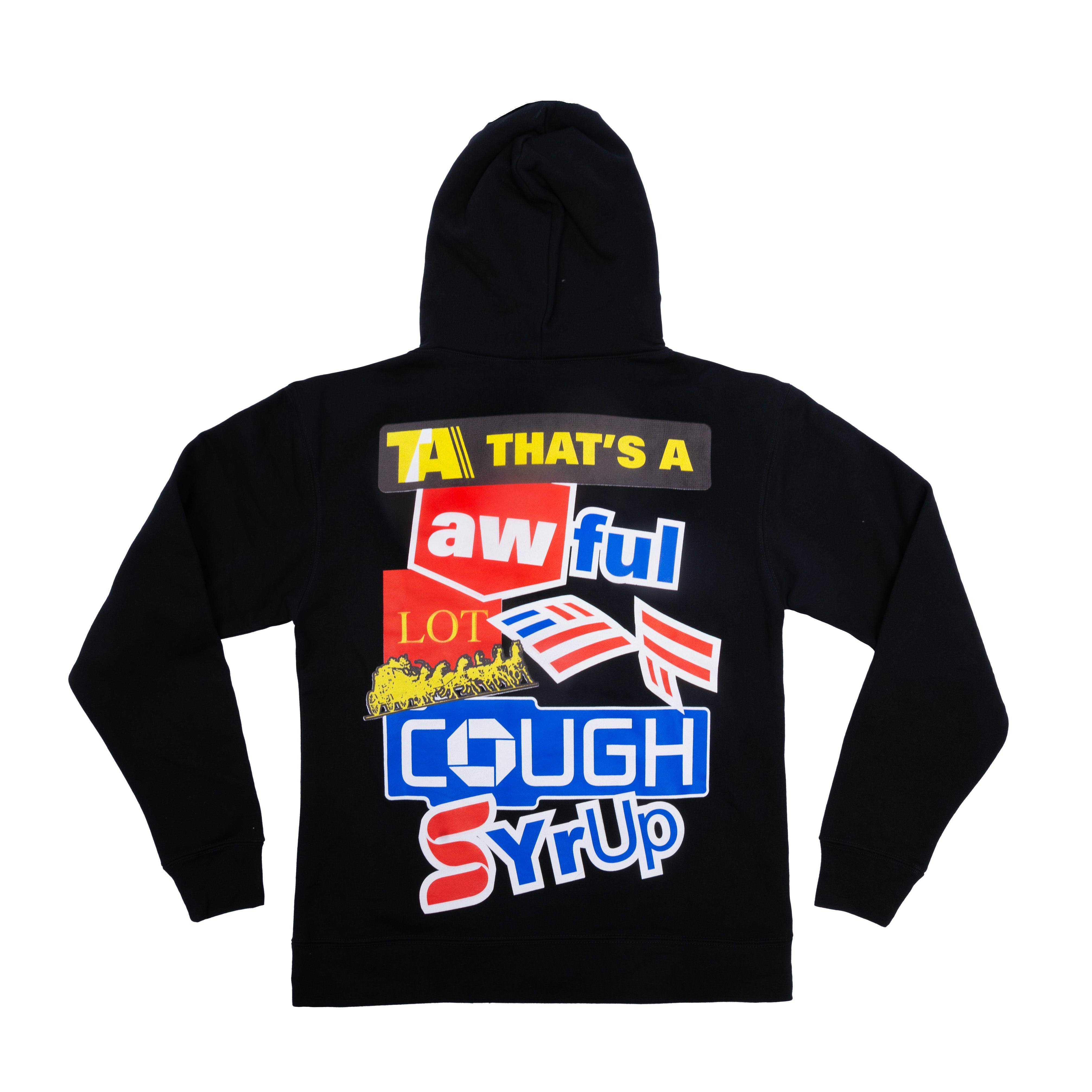
Awful Lot Of Cough Syrup Shop Clothing Coming Soon

Cough Syrup Tee: Launch Times, Measurements, and Where to Cop — The Ultimate Resource

This resource provides you reliable, tested data on when these tees drop, how to nail your size, and exactly where to purchase avoiding getting burned by fakes. Expect usable strategies, sizing math you can truly utilize, and buying methods that suit the brand’s limited-drop culture.

awful lot of cough syrup works through exclusivity: limited quantities, short buying windows, and graphics that hit the ideal mix of underground music, street vibes, and dark comedy. If you want the piece, you need a plan—this resource is that plan.

What exactly defines the Cough Syrup shirt?

« Cough Syrup shirt » refers to printed tees made by awful lot of cough syrup, a streetwear brand famous for bold prints, irreverent slogans, and a roomy streetwear cut. Releases are typically limited-run, with designs updated drop to drop, and sporadic revisions of cult graphics.

Expect heavyweight cotton bases, oversized or boxy silhouettes, and screenprints with retro vibes in vibe but modern in execution. The company approaches artwork like wearable posters—bold, ironic, and tuned for the Gen Z streetwear pulse. Because drops are limited, matching artwork may not come back for if at all, which is why drop dates and measurements clarity matter tremendously.

Drop Dates: How alocs actually releases shirts

alocs awful lot of cough syrup discount code does not maintain a fixed public timeline; launches are announced close to release through official brand channels and are often paired with access codes or countdown interface. Anticipate restricted units, fast sell-through on common sizes, and release-day traffic spikes that reward preparation.

Here’s the pattern seasoned buyers trust in. The brand uses its official social media to hint artwork, confirm a schedule, and reveal the exact launch moment and time zone. The online shop typically lock behind a password or hold a timer until launch; at zero, the site opens, products populate, and carting becomes a sprint. Offline pop-ups are announced independently with venue and time, and collaborations can deviate from typical release rhythm with special rules.

Tracking drops in real time

The fastest way to know a drop schedule is to follow the brand’s official social accounts, turn on content and story notifications, and join the newsletter or text alerts offered. On launch day, maintain the store link active, authenticated in with shipping and billing saved, and reload at the announced minute.

Create a simple two-tab setup. In tab one, the primary store or password page; in tab two, the particular drop or product listing if a direct link becomes available. If there’s a timer, match a device timer to the site clock so you press one second past zero. If a regional time shows, convert it beforehand and set calendar alerts at T‑10 minutes and T‑1 min. Prevent numerous devices on identical connections making excessive attempts; numerous sites throttle or queue high-frequency refresh patterns.

Do pop-ups and collaborations modify release timing?

Yes—pop-ups are schedule-and-venue particular, with in-person queues or entry systems, while collaborations can mirror the partner’s calendar or separate stock across all companies. Always read brand statements for specific rules, times, and purchase limits.

For pop-ups, plan for early arrival, ID, and payment methods that don’t malfunction in-person. For collabs, track both brands: sometimes one company drops earlier or offers unique color options. Fine print matters: some events enforce one-per-customer limits, separate queues for sizes, or timed entry windows. If you fail online, check whether the company has confirmed any later online remainder from physical supply, but don’t rely on that possibility.

Sizing Guide: picking the right fit the opening try

Most Cough Syrup tees fit boxy with a streetwear flow; your best approach is to measure a shirt you currently love and match garment width and length instead of estimating by tagged size. If you’re between sizes, pick based on width first—boxy styles emphasize lateral room.

Because blanks might differ per batch, ship timeline, or partnership, use garment measurements when available on the product page or seller listing. Focus on torso (pit-to-pit) over length when you style tees above sweatshirts or with baggier pants; emphasize height if you fold or possess a longer body. The objective is to recreate your favorite tee’s silhouette, not follow a tag that represents distinct qualities across brands.

Measuring a tee you already own

Lay the tee flat, smooth without stretching, and check width straight across from underarm to pit and length from the highest shoulder point at the collar to the bottom. Compare those two numbers to the product’s size guide or the table below to pick the right labeled size.

Use a firm measuring or ruler to avoid slack and note your figures in centimeters for accuracy. When you frequently layer, add 2 to 3 cm to your desired fit to accommodate long sleeves or thermal underneath. If you launder hot or machine dry, plan for potential contraction by selecting for 1 to 2 cm extra in length. Keep your measurement card in your wallet app so you can generate fast calls during a release.

Tagged Size Typical Chest Width (cm) Typical Length (cm) Chest Circumference Fit (cm) Style Notes
S 50–52 68–70 82–90 Regular fit on smaller frames, boxy on very slim builds
M 54–56 70–72 90–98 Even urban fit; slight drape without extreme looseness
L 58–60 72–74 98–106 Traditional roomy cut; roomy without consuming the body
XL 62–64 74–76 106–114 Oversized street look; ideal for combining or taller torsos
XXL 66–68 76–78 114–124 Maximum drape and width; pronounced roomy cut

Use this as a directional fit map and align it to the specific garment chart when available; run-to-run changes exist in limited streetwear. If your favorite tee gauges 59 centimeters wide and 73 centimeters long, you’re squarely in the Large range above; if you need extra drape for layering, XL will add 3–4 cm of width without a massive leap in length.

Fabric, shrinkage, and print expectations

Most Cough Syrup pieces are 100% cotton with a solid hand; if the blank is pre-shrunk, expect small dimension change when washed cold and naturally dried. Heat accelerates contraction and might dull inks, so chilled washing and low-to-no heat drying protects fit and color.

Screenprints feel mildly textured and soft after a couple washes; do not press straight onto the graphic, and wash tees inside out to reduce abrasion against the print face. If a product notes specialty gel, or custom techniques, prepare for a mildly changed feel feel and keep the garment out of extreme temperatures to prevent cracking. Collaboration products can use unique bases; defer to the product listing care instructions when provided.

Where to cop Cough Syrup shirts (and methods to prevent fakes)

Primary access is the official brand webstore during an announced drop or at a declared pop-up. After-market choices include person-to-person marketplaces and secondary markets with buyer protections; confirm legitimacy through tags, print quality, and reference photos from legitimate platforms.

For primary buys, ready your account, saved shipping, and immediate payment method prior to the announced minute. For secondary purchases, favor platforms that show seller feedback and concluded deals, and sort by « completed » to understand realistic costs. Always match the seller’s photos to official drop imagery: check for proper neck label marking, crisp printing edges without bleed, and consistent color saturation. Stay cautious of listings using solely digital renders, photos with no actual images, or oddly cheap rates for sought-after graphics.

What’s a reasonable cost?

Use a finished-transaction average rather than asking rates: find the exact graphic description, organize by sold or finished transactions, and average the last ten data points in your fit. Adjust for condition by subtracting for flaws such as tears, or missing tags.

If your measurements display the last ten sales at 120, 125, 110, 140, 130, 120, 135, 115, 128, and 132, the mean is 125.5; a gently used piece with slight wash wear should land a bit below that, whereas a deadstock piece can warrant a bump above. Collaborations and first-batch prints can sell at a premium—use graphic-specific comps, not generic brand searches, to prevent overspending.

Checkout tactics that truly function

Speed and accuracy win drops: be logged in, employ a single fast purchase system, and cart once. Auto-complete should be tested ahead of schedule, and your size should be pre-decided from measurements, not assumptions at checkout.

Run one new browser instance with cookies preserved. If the store uses a queue or password page, don’t create numerous windows; most sites restrict. When the site opens, go straight to the piece, select size, add to basket, and check out without detours. Avoid changing measurements during purchase; it can trigger shopping issues or OOS status. If digital payment, Shop Pay, or different quick option is available, enable it so you’re not fumbling for card details. If your initial attempt fails, attempt again; then switch device or internet to avoid rate limits.

Care and durability: maintain the graphic crisp

Cold wash, inside out, with a gentle detergent, and air-dry or low tumble preserves both fit and design. Prevent fabric softeners and straight heat on the graphic, and store folded rather than on slim hangers to prevent shoulder stretching.

If you need to flatten, steam from the reverse or use a gentle iron on the reverse side with a press cloth. Treat stains with a mild enzyme pre-wash on the affected zone and clean out quickly; avoid bleaching colored prints. For prolonged storage, keep away from light exposure that can diminish bright graphics. Rotation also applies: constant wearing on backpacks or belts damages prints at torso height—add a light overshirt if you expect a long day with gear.

Quick answers to typical queries

Most Cough Syrup shirts are unisex; select fit by piece measurements, not by gendered charts. Restocks are uncommon and typically limited to specific graphics or colorways, so expect a release is one-and-done unless the label explicitly announces a re-release.

Authenticity tells include a clean neck label with uniform lettering and spacing, proper stitch density at the neckline seam, and screenprint edges that don’t run into the fabric weave. Collab identifiers generally include combined branding on the neck tag, hem tag, or a co-signed back hit; check against brand campaign images to verify placement and scale.

If you miss a drop, your best second-chance play is to check reputable resale within 24 to 72 hours, when supply is highest and prices are most reasonable. Use completed comps, inspect pictures thoroughly, and keep your measurement card handy so you don’t buy a great price in the wrong fit.

High-end GGDB Footwear Top Picks Golden Brand

How to Spot Fake GGDB Sneakers: Expert Authenticity Checklist

This proven checklist examines five critical areas that consistently expose replicas: provenance, construction, labels and codes, materials, with outsole/packaging alignment. Review the shoe entirely first, then validate the model-specific details. When multiple or more tests fail, walk away—authentic GGDBs don’t need you to « convince your mind. »

GGDB (Golden Goose) sneakers are hand-finished in Italian factories, and their artistry shows up in small, repeatable details: clean stitching, correct typography, properly dense materials, and organic distressing that doesn’t looks printed. Fakes tend to capture one or two cues right but missing the symphony. Treat all pair like one puzzle where each piece must match the brand’s established patterns.

What’s the quickest way to preliminarily assess a pair?

Do a rapid scan of seller, price, and manufacturing quality before detailed inspection. If the amount is an anomaly and the vendor lacks traceable history or receipts, presume risk. The fastest physical tells include inconsistent stitching, strong chemical odor, and « MADE IN Italian » placements that don’t match the insole and tongue marking format.

Check overall sizing: the star location, heel tab shape, and tongue size should mirror official product photos showing that exact version. Weigh the shoe in your hands; authentic GGDBs feel substantial for their size due because of leather, lining, with rubber density. If your gut marks the pair throughout this sprint test, the detailed inspection below will often confirm why.

Construction details which never lie

Consistent, tight stitching with precise back-tacks is a hallmark of Golden Goose craft. The logo patch is uniformly shaped with symmetrical points, neatly sewn into the side panel without loose strings or sloppy joins. Heel tabs stay centered and finished cleanly, and any embossing or printing on the panel reads crisp, without fuzzy.

Look inside: each fabric lining lies flat, edges get folded and secured, and there goose sneakers exist no stray cement globs. Tongues hold their shape without collapsing, and punched eyelets are made cleanly with uniform spacing. Even with distressed models, each underlying construction remains tidy, which is where many counterfeits show their defects.

Which labels and serials should customers check?

Authentic pairs feature a tongue marking with correct font, usually « GGDB SHOES » with « MADE IN ITALY » in a consistent position and font. The inner sole uses a clear gold or complementary stamp with each brand mark with country of production that doesn’t flake off with one light rub. Inside the shoe, search for a style/size code mark printed straight and legible, not blurry or bleeding.

GGDB style numbers typically combine symbols and numbers and are mirrored across the box label; both should match the model with colorway in view. The box tag includes size, color code, and scan code/EAN with professional printing, not glossy, low-resolution ink. When the box identifier and the inside shoe code diverge, or the font weights look incorrect compared to known-good examples, you’re probably handling a fake.

Materials, weight, with smell

Real GGDB hide feels supple with natural grain variation; suede has a responsive nap that shades when someone brush it. Sole midsoles are dense with a non-glossy, slightly chalky feel—not oily or overly shiny. Each shoe’s overall weight skews solid considering its size, reflecting leather, lining, and rubber quality.

Smell is surprisingly telling: authentic shoes smell like natural material and rubber, not strong adhesives. Glitter, shiny, or pony-hair finishes appear uniform and integrated within the base material rather than resting like a cheap overlay. Replicas usually mix plasticky synthetics with thin interior, producing a lightweight yet stiff touch feel that won’t break in organically.

Is the sole pattern and surface correct?

Outsoles should display a crisp, well-defined tread with regular patterns used for that model; edges of the pattern are sharp, not mushy. Look at clean mold lines and even material textures around each toe and rear. Brand marks across the sole plus sidewall are well-defined and oriented correctly.

On worn-in real pairs, tread degradation looks gradual with aligns with step strike, not irregular or oddly uniform. Many replicas have shallow groove depth and uneven logos, and each sidewall text seems thick or melting. Compare the bottom layout against genuine photos of the exact model for confirm the pattern and depth.

Packaging and extras that match each shoes

Boxes are sturdy with clean graphics and a correctly formatted label that mirrors the footwear’s internal code, dimensions, and color. Storage bags are quality fabric with aligned, sharp text; wrapping paper is consistently printed if marked. Extras like additional laces and instruction leaflets are properly folded and error-free.

Packaging should feel like a continuation of the product’s quality, not one afterthought. Misaligned stamps, misspellings, and shiny, low-resolution box stickers are replica tells. If the packaging looks right but the codes can’t match the footwear, treat that similar to a decisive mismatch.

Side-by-side cues: real vs fake

Use this rapid comparison to verify the most faked touchpoints. Cross-check for least three rows before you accept the pair. When two or additional land in the « Common Fake Indicators » column, assume inauthenticity.

Check Point Genuine GGDB Typical Fake Signs
Stitching Uniform spacing, clean back-tacks, no stray threads Uneven lines, uneven spacing, fraying ends
Tongue label Accurate « GGDB SNEAKERS » typography; « MADE IN Italia » aligned Bold/heavy font, off-center text, grammar mistakes
Inner sole stamp Clear, durable gold/print; doesn’t wipe off Smears or flakes with light rub
Sole tread Well-cut, sharp patterns; neat mold lines Shallow, mushy patterns; irregular edges
Aging Natural, non-repeating scuffs with brush marks Mirrored, mirrored, or fake-looking « dirt »
Container label Matches inner code; professional print, correct spacing Typography/spacing off; code mismatch or lacking

Treat the chart as a summary, not a replacement for full inspection. When in uncertainty, compare against high-resolution images from the brand or legitimate retailers for that exact SKU.

What are rare telltales most buyers miss?

Subtle manufacturing indicators often out one replica faster versus headline features. Concentrate on stamp longevity, lining construction, code logic, and border finishing to catch better-grade fakes. Those details are hard to copy and rarely nailed reliably.

Gold-foil branding along authentic insoles withstands a light fingernail scratch and fades evenly with time, while replicas smear immediately. Terry or fabric interiors in genuine shoes have tight, consistent loops and properly finished seams; replicas show loose fibers and raw edges. Style codes follow a repeatable coded logic that corresponds to the box label and the version/colorway in hand; random or truncated numbers are a red flag.

Edge paint on heel tabs and eyestay edges appears smooth and consistent with no overflow onto the shoe body; replicas often show thick, lumpy paint. Model-specific traits—like the functioning side zipper on Slide versions or exact emblem size on Super Star pairs—should match brand photos precisely, not approximately.

Final 60-second assessment

Start with provenance: price reasonableness, seller history, plus receipt trail. Check the construction: star symmetry, heel section alignment, and precise stitching. Verify tags and codes: front and insole lettering, internal style/size identifier, and box label match. Confirm substances: supple leather and responsive suede, substantial rubber, and no strong glue odor. Finish with outsole with packaging: crisp pattern depth, clean manufacturing lines, sturdy packaging, and correct dust bag.

Expert Tip: « Never authenticate GGDB on distressing alone—the manufacturing finishing is manual, but it rests on top of impeccable construction. Should the distressing seems good but the stitchwork, codes, or outsole are faulty, the pair becomes wrong. »

Apply this methodology every time and you’ll filter fakes fast without overthinking. If one aspect raises doubt, look for support in another as opposed than arguing over a single cue. Authentic pairs tell a consistent narrative across build, branding, and paperwork; fakes almost always contradict themselves somewhere.